The Colorado Thunderbirds— a recently identified clade of raptor‑like birds—have surprised ornithologists with their unique adaptations and expanding range across the Front Range. Their presence signals ecological shifts in the high‑altitude ecosystems of Colorado, prompting a fresh review of habitat management and conservation priorities.
Why Colorado Thunderbirds Stand Out
Unlike typical mountain hawks, these birds display a remarkable blend of migratory and resident traits. Their plumage is mottled with electric blue and charcoal gray, while their feet possess a specialized pad that allows for perching on slick, wind‑blown rock faces. Field observations note that they hunt primarily on the open ridges above 9,000 ft, taking advantage of thermals that other raptors cannot exploit.
Ecological Footprint in Mountainous Landscapes
Recent telemetry studies suggest that Thunderbirds have a high site fidelity to certain ridgelines, indicating that these areas serve as critical nesting and hunting hotspots. Their diet is primarily high‑altitude insects and small mammals, which may help control pest populations in alpine meadows. However, the birds also compete with established species such as the golden eagles for nesting sites, creating a complex interspecies dynamic that researchers are actively monitoring.
Mapping Their Territory

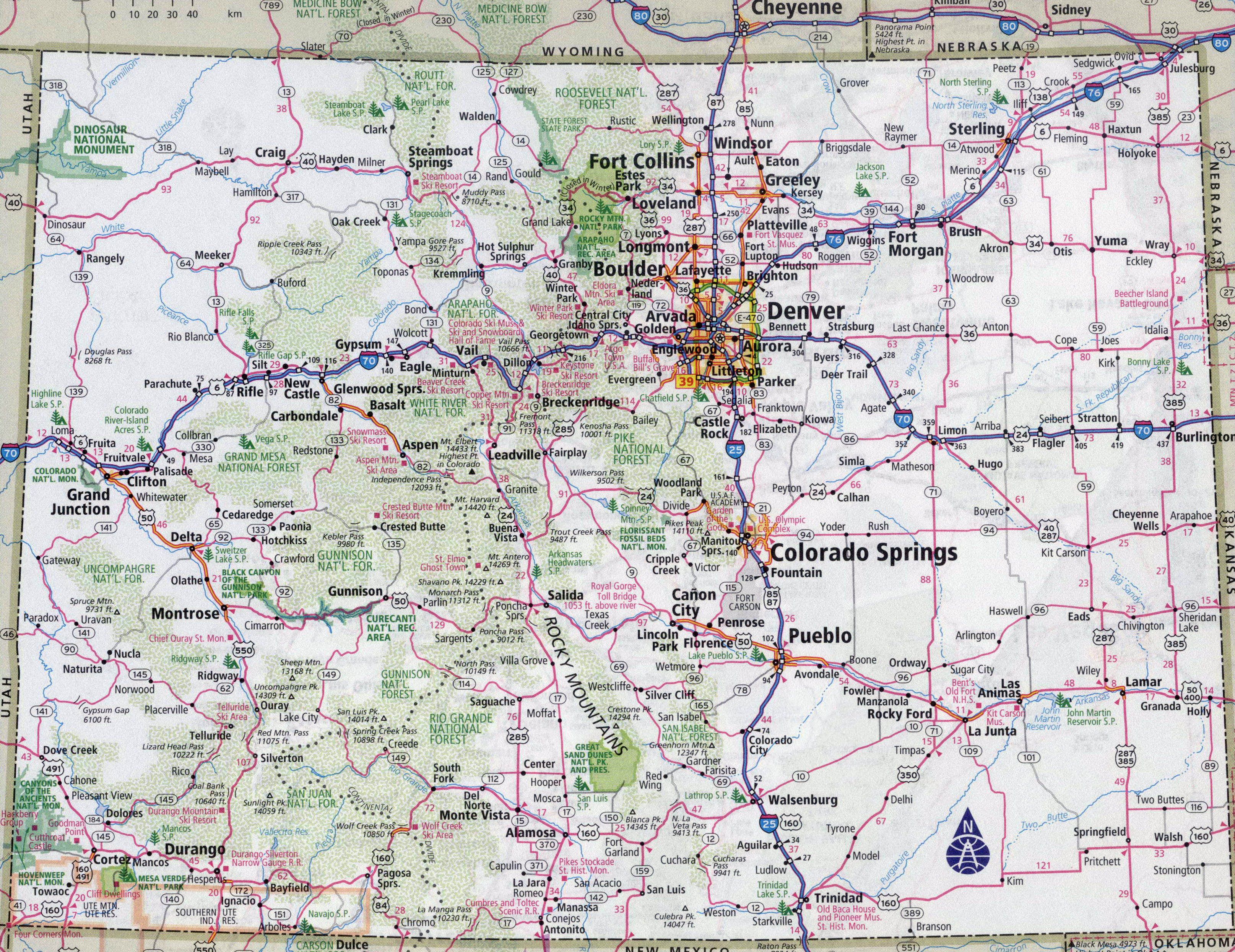
By overlaying satellite imagery with the detailed state highway map, scientists have pinpointed likely corridors that facilitate Thunderbirds’ movement between nesting sites and foraging grounds. The map below highlights major roads and natural ridges that intersect these corridors.
Implications for Conservation Policy
- Habitat Protection: Designate key ridgelines as protected zones, limiting road construction and recreational development that could fragment nesting sites.
- Monitoring Protocols: Deploy automated acoustic recorders at high‑altitude nesting sites to track population trends without intrusive observation.
- Public Outreach: Incorporate Thunderbird sightings into citizen‑science platforms, enabling locals to report observations and support data collection.
Actionable Takeaways for Researchers and Land Managers
- Integrate GPS telemetry data with GIS layers of fire risk and land use to forecast future habitat suitability.
- Collaborate with state wildlife agencies to assess potential competition with golden eagles and develop coexistence strategies.
- Publish findings in open‑access journals to accelerate peer review and ensure rapid dissemination of management recommendations.
Future Research Directions
Key questions remain regarding the Thunderbirds’ breeding biology and genetic diversity across isolated populations. Researchers are prioritizing genetic sampling from multiple nesting sites to evaluate gene flow and resilience to environmental change.
As climate patterns shift, the Thunderbirds’ ability to adapt to higher temperatures and altered prey availability will be critical. Continuous monitoring and adaptive management will be essential to safeguard these remarkable birds for generations to come.
Colorado Mountains Wallpapers - Top Free Colorado Mountains Backgrounds

Colorado Mountains Wallpapers - Top Free Colorado Mountains Backgrounds ...
Colorado Desktop Wallpapers - Top Free Colorado Desktop Backgrounds

Colorado Desktop Wallpapers - Top Free Colorado Desktop Backgrounds ...
8 Things To Love About Colorado's Rocky Mountain National Park | HuffPost

8 Things To Love About Colorado's Rocky Mountain National Park | HuffPost